From Monkhood to Acharyaship (17 – 40 Years)
The Ascetic Flame
Becoming a Sadhu
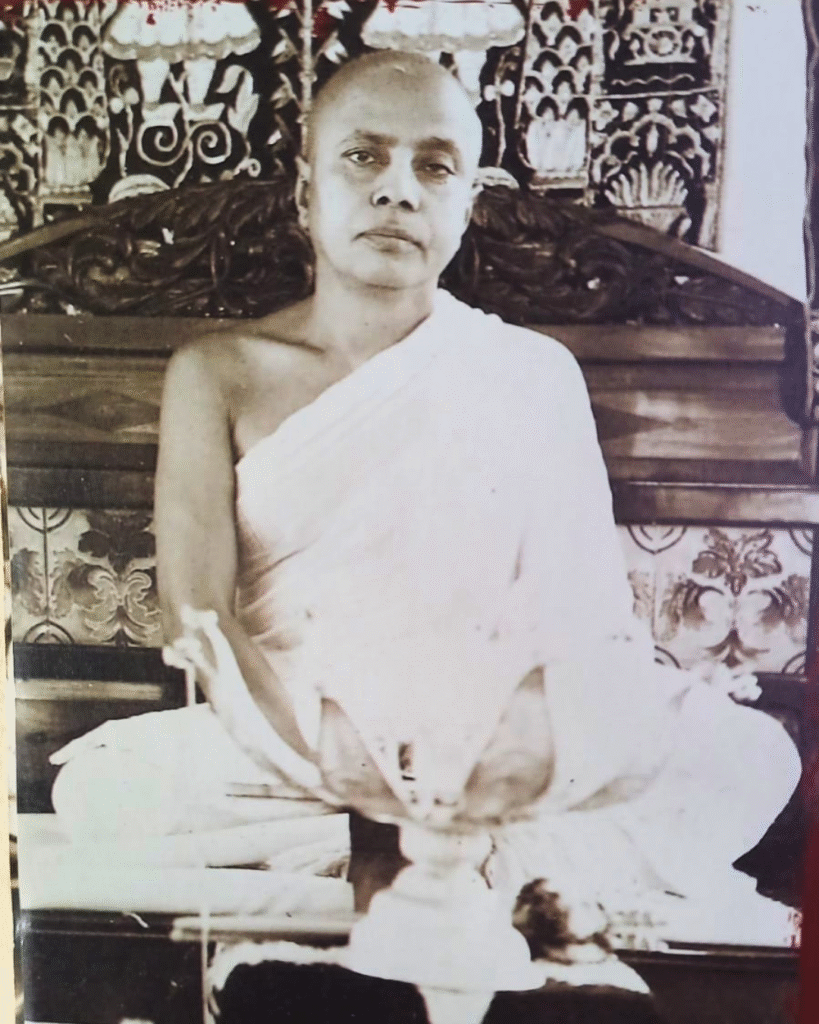
The final rituals followed: the snan (sacred bath) by the shravaks, and then the donning of the simple white robes of a Jain sadhu. Serenity and inner strength glowed from his face. He accepted the sarva-virti samayik—a vow to reject all sinful action. Amid the echo of sacred chants, a soul took its first step into spiritual immortality. From that day, Tribhuvan became Muni Shri Ramvijayji Maharaj.
A Guru is Named
Maharaj declared thrice before the congregation:
“Your name is now Muni Shri Ramvijayji, and your guru is Shri Premvijayji.”
As winds stormed outside, the flames within the temple stood steady—just like the light of truth that had been lit in him.
A Life of Purpose Begins
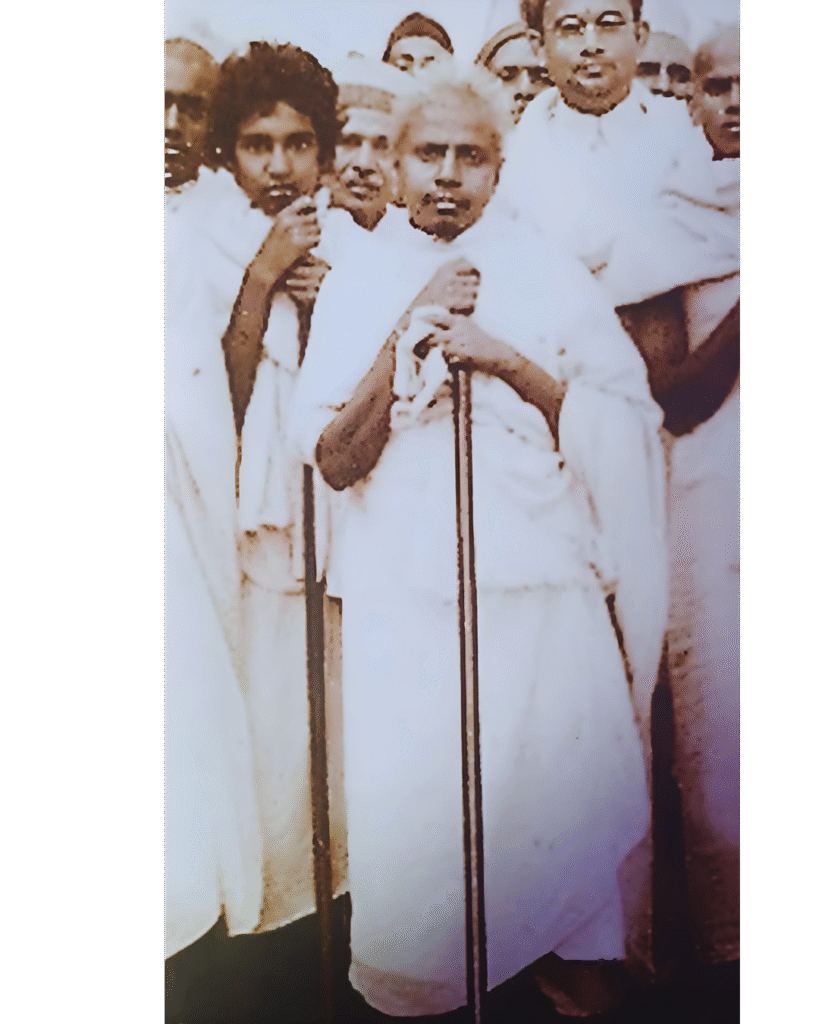
Soon after diksha, during his very first chaumasa in 1913 at Sinnor, Gujarat, he delivered a sermon on “Samkit 67 Bol Sajjay.” His oratory left the elders in awe, and a prophecy began to form: that this was no ordinary soul, but a master in the making. Within just 20 days, he memorized 2,000 gathas of Anuyogdwar, and his guru, Muni Premvijayji, guided him through another 20,000 shlokas. His zeal for scriptures knew no fatigue.
Over time, Muni Ramvijayji’s deep mastery of Jain shastras gave him unmatched authority. He courageously debated and challenged towering intellectuals and spiritual figures—Gandhiji, Rajchandra, Lalan, Kanjiswami, Pandit Sukhlal, Pandit Bechardas, Vidyavijayji, Dharmasuri of Kashi, Sagarji Maharaj, and Vallabh Suri Maharaj. So profound was his scholarship that Guru Premvijayji once said,
“Ramvijayji’s words are shastras themselves. His discourses must be preserved in Sanskrit for future generations.”
The Voice that Shook Cities
In 1917, during his powerful discourses in Ahmedabad, he openly criticized the consumption of hotel food, stale items, and tea. The renowned eatery Chandravilas nearly shut down following his sermons.
In the year 1920, his passionate advocacy for non-violence led to the cessation of animal sacrifices at Bhadrakali temple in Ahmedabad.
In 1921, he spoke fearlessly to political leaders such as Gandhiji and Sardar Vallabhbhai Patel, his words radiating purity, restraint, and spiritual authority. He often remarked, ‘Logo ke neta bhale hi Gandhi hain, hamare neta toh Bhagwan Mahavir hain’ — ‘Others may have Gandhi as their leader, but for us, our true leader is Lord Mahavir
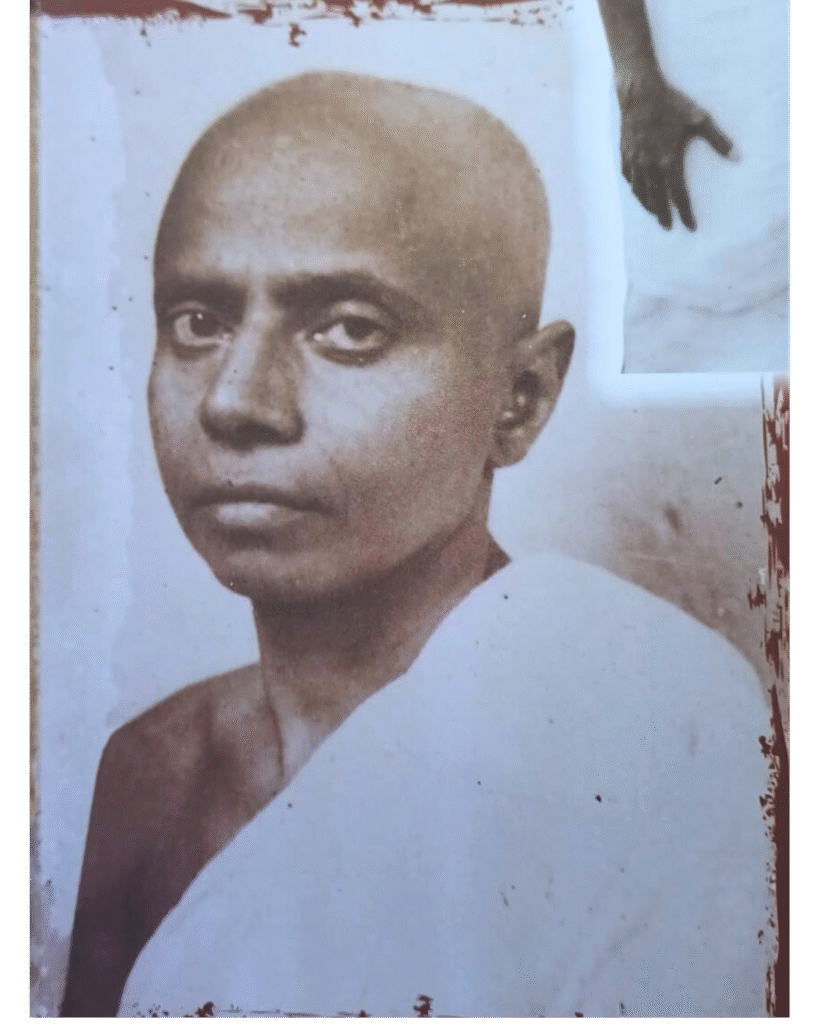
Protector of Tradition and Dharma
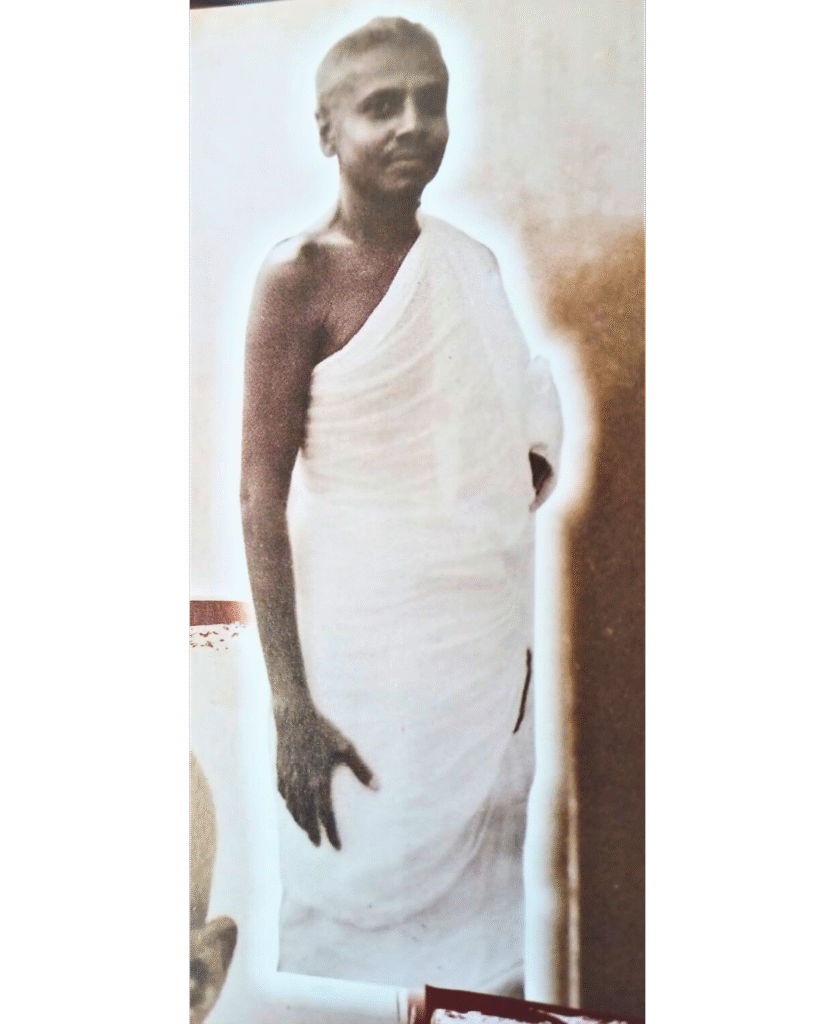
In 1926, his unmatched oratory moved even wealthy householders and multi‑millionaires to renounce worldly life—among them was Jaysinghbhai, who later became Acharya Yashodevsuriji. Such was his inner strength and self‑sufficiency that he stood fearlessly to defend the sanctity of diksha dharma, appearing in court multiple times on his own resolve. In one such case, Muhammad Ali Jinnah was hired as the defense lawyer for Muni Ramvijayji—but truth triumphed, for he himself was entirely self‑sufficient in courage, conviction, and faith.
Championing Dharma Amid Opposition
In 1929, during the Mumbai Chaumasa, he boldly opposed widow remarriage, use of temple funds for modern education, and the use of microphones by sadhus, stating clearly:
“Dharma is for the soul’s purification—not for worldly comfort.”
In 1930, he also championed Bal Diksha—the sacred right of children inclined toward renunciation. His fearless stand drew fierce opposition from reformists, yet none could shake his unwavering resolve.
Recognized and Honored
Despite multiple campaigns to defame or derail him, Muni Ramvijayji stood unwavering, always emerging victorious—shielded by his unwavering commitment to truth and the teachings of Lord Mahavir. In 1930, he was awarded the titles of Ganivarya and Panyas. Around the same time, Acharya Vijay Dansurishwarji bestowed upon him the scholarly honor of “Vyakhyan Vachaspati.”
Defending the Faith and Guiding Reforms
In 1934, he visited Rajchandra’s Agas Ashram and openly rejected false spirituality.
In 1936, at the Shraman Sammelan in Ahmedabad, presided over by Acharya Nemi Suriji maharaj his sharp reasoning and deep scriptural mastery inspired unanimous resolutions—supporting Bal Diksha, regulating the use of temple funds, and upholding scriptural injunctions across Jain institutions.
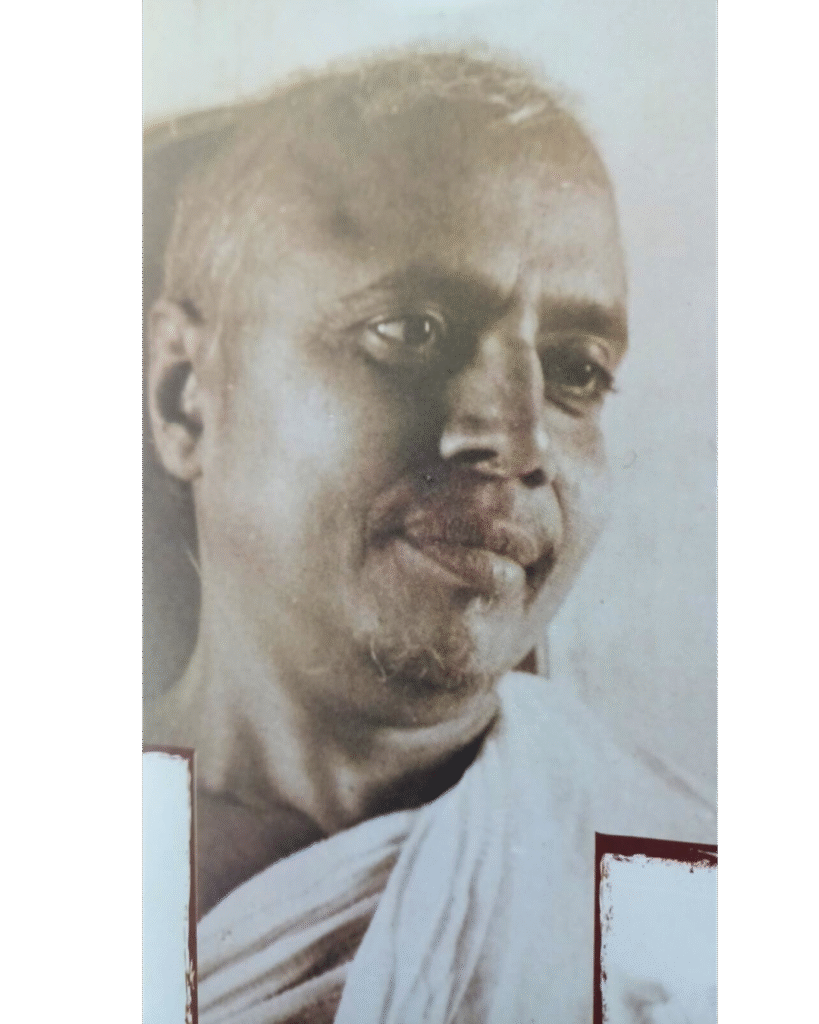
The Sacred Transition: Acharyaship in 1936
On 27 April 1936 (Vaishakh Sud 6, V.S. 1992), at Bhuleshwar, Madhav Baug, the Sangh unanimously recognized his intellect, moral strength, and spiritual leadership, ceremoniously conferring upon him the revered title of Acharya. The 45‑day celebration marked the dawn of a new spiritual era. From the outset of his Acharyaship, he upheld that a true sadhu must remain detached from comfort, wealth, and politics. Though deeply learned in Jyotish Shastra, he never used it for personal gain or to draw crowds—steadfastly following the pure path of dharma, untouched by money or influence.
Become a Volunteer
Step into the path of selfless service inspired by Param Pujya Gurudev Shrimad Vijay Ramchandrasuriji Maharaj, whose life was a beacon of truth, penance, and devotion to Jain Dharma. By volunteering, you become part of his enduring legacy—contributing to spiritual growth, community welfare, and the spread of values that uplift humanity. Join us in carrying forward his mission of enlightenment, compassion, and service to the Jain Sangh and beyond.